


SCROLL
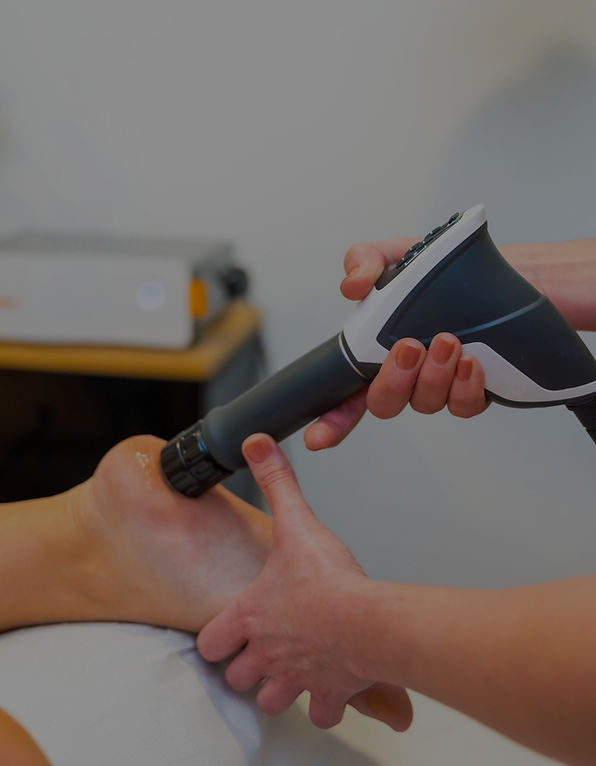
If you've been dealing with plantar fasciitis, shoulder or rotator cuff pain, tendinitis, or chronic hip or knee pain that keeps coming back no matter how much you rest or stretch it, you're not alone. A lot of active people in Rochester try to push through it, ice it, or wait it out, and the pain just settles in instead of going away.
The frustrating part isn't just the pain, it's not knowing why it's not healing on its own. Standard rest and over-the-counter fixes work for a sprain. They don't work as well for the kind of chronic, deep tissue pain that's built up over months or years. That's usually a sign the tissue needs more than rest to actually heal.
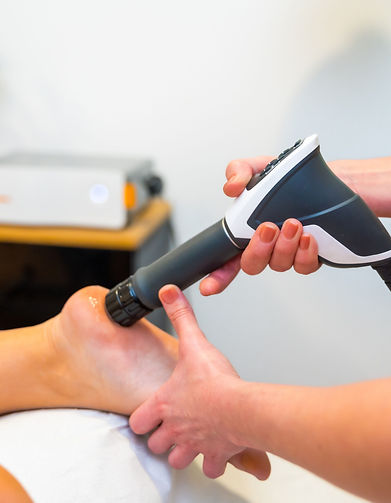
Shockwave therapy uses focused acoustic sound waves to stimulate the injured area from the outside. The waves increase blood flow, break down scar tissue and chronic adhesions, and jump-start your body's own healing response. It's a non-invasive way to treat tissue that hasn't responded to rest, stretching, or standard treatment, without surgery, injections, or medication.
Dr. Cody Calligan, D.C., brings 15+ years of experience treating sports injuries and extremity problems to every shockwave session, often paired with the soft tissue techniques he's certified in (Graston Technique, Active Release Technique) when the case calls for it.
-
Every treatment plan starts with a real assessment of what's actually causing your pain, not a one-size-fits-all protocol
-
Shockwave is used specifically for cases where standard treatment hasn't worked
-
Treatment fits into the same mobility, stability, strength framework used across all of our care
Dr. Calligan doesn't just point the device at whatever hurts. Every plan starts with understanding how the injury started and what you've already tried, so shockwave gets used where it will actually help, not as a default.
Assessment
Dr. Calligan examines the area, asks about how the injury started and what treatments you've already tried, and confirms shockwave is the right fit before anything begins.
Treatment
Sessions themselves take just minutes. Depending on what's going on, Dr. Calligan may pair shockwave with soft tissue work like Graston Technique or A.R.T. in the same visit.
Follow-Up
Progress gets checked at each visit, and the plan adjusts as the tissue heals, feeding into the same mobility, stability, strength framework used across every treatment plan at Made To Move.
Shockwave therapy tends to help most when an injury has settled into a chronic pattern: the kind of pain that's been around for months, has resisted rest and stretching, and keeps limiting what you can do day to day.
-
Plantar fasciitis and heel pain. If mornings start with sharp heel pain that eases as you move and then flares back up after a long day on your feet, and new shoes or stretching haven't fixed it, this is one of the most common conditions we treat with shockwave.
-
Shoulder, hip, and knee pain, including tendinitis and rotator cuff issues. Tendon injuries are notoriously slow to heal on their own because tendons get less blood flow than muscle. Shockwave targets that directly by stimulating circulation right at the site of the injury.
-
Chronic sports injuries that keep flaring back up. Weekend warriors, golfers, pickleball players, and former athletes often deal with the same injury cycling in and out for years. Shockwave is built for exactly that pattern: breaking down the scar tissue and adhesions that keep re-triggering the pain.
-
Chronic soft tissue pain that hasn't responded to other treatment. If you've already tried rest, over-the-counter anti-inflammatories, or basic stretching without lasting relief, shockwave is often the next step before considering injections or surgery.

faq
Does shockwave therapy hurt?
Most patients feel a mild pulsing or tapping sensation during treatment. It's generally well-tolerated and doesn't require anesthesia.
How many sessions will I need?
It depends on the condition and how long you've had it. Dr. Calligan will lay out an expected timeline after your first assessment.
Is shockwave therapy covered by insurance?
We've got you covered. At Made To Move, we accept most major health insurances, HSA/FSA, and offer flexible, affordable care plans tailored to fit your specific needs. Whether you're using insurance or paying out of pocket, we'll work with you to ensure you get the quality care you deserve, without breaking the bank. Your health always comes first, and we'll go the extra mile to make sure it works for you.
What conditions does shockwave therapy treat?
Most commonly plantar fasciitis, tendinitis, and chronic shoulder, hip, or knee pain. If you're not sure whether your issue qualifies, reach out and we'll let you know.
Is shockwave therapy safe?
Yes. It's a well-established, non-invasive treatment that avoids the risks associated with surgery or long-term medication use.